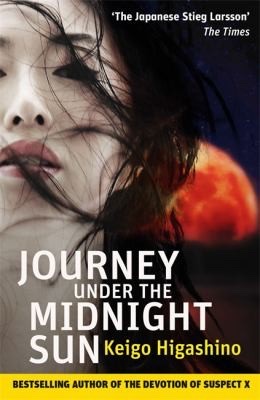
Cover of Journey Under the Midnight Sun

Journey Under the Midnight Sun

Higashino Keigo

4 ideas

  1. The 1973 Osaka pawnbroker murder unravelled

    In 1973 the pawnbroker Kirihara Yosuke is found stabbed in an abandoned Osaka building. Detective Sasagaki spends nineteen years reconstructing the truth: Yosuke had been paying to sexually abuse Yukiho, his son Ryoji killed him, and the two children then spent their lives covering for each other through a string of further crimes.

  2. The white night as a surrogate sun

    Someone who has never had real daylight, meaning innocence, safety or a legitimate life, can live by a substitute light that makes darkness passable without ending it. In the novel each partner is that artificial light for the other: Ryoji works unseen so Yukiho can shine in respectable society, and her rise is the only brightness his hidden life has. The bond sustains them, but it also forecloses any exit into ordinary day.

  3. Protagonists knowable only through their wake

    The two central figures are never given inner monologue, and their partnership is never shown directly. Readers infer it only from the damage, coincidences and testimony left in other people's lives. The lens is that some relationships, especially criminal or traumatic ones, can be detected only by mapping their external effects across time, the way a detective or historian must.

  4. Boom economies reward invisible predation

    Japan's rise from the 1970s into the bubble years creates new, poorly policed arenas: software piracy, counterfeit bank cards, stock speculation and status-driven marriage and retail. These let a hidden operator turn childhood damage into wealth and social rank. The novel argues that prosperity does not heal a society's buried crimes but gives them better camouflage and a faster ladder.

Save and mark ideas in the app