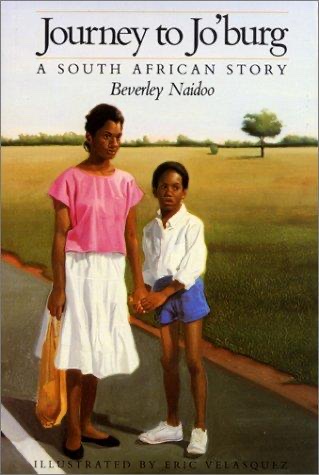
Cover of Journey to Jo'burg

Journey to Jo'burg

Beverley Naidoo

4 ideas

  1. Two children walk to fetch mother

    Thirteen-year-old Naledi and her younger brother Tiro leave their village when their baby sister Dineo falls dangerously ill. They walk and hitch roughly 300 km to Johannesburg to fetch their mother, a live-in domestic worker for a white family. Along the way they meet farm labour, pass-law arrests, segregated transport, and a Soweto woman whose family was touched by the 1976 uprising, and each encounter reveals another rule of apartheid.

  2. Illness diagnosed as symptom of structure

    When Dineo is treated, the doctor says the real cause is hunger. The medical crisis turns out to be the predictable result of low wages, land shortage, and families split apart by labour migration. The book argues that treating each emergency cannot fix a harm that the economic arrangement keeps producing.

  3. Displaced care in domestic labour

    The mother earns her living by caring for a white employer's household and child. Meanwhile, her own children are raised by a grandmother far away, and she can see them only with the employer's permission. The system takes care away from the families that provide it and gives it to the families that pay for it, so one household's comfort depends on another household's absence.

  4. Naive questioning exposes normalized injustice

    Because the story is told through children who do not yet know the rules, laws that adults treat as ordinary appear arbitrary and cruel. Naledi's repeated question of why things are this way turns silent acceptance into a demand for explanation. That question marks her first step toward political awareness and a wish for change.

Save and mark ideas in the app