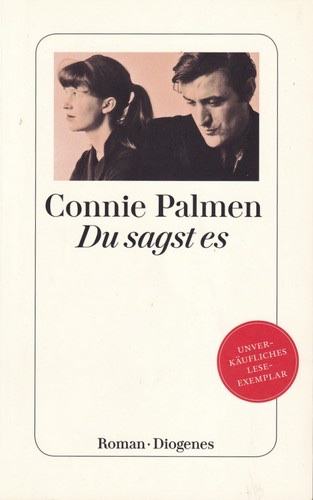
Cover of Jij zegt het

Jij zegt het

Connie Palmen

4 ideas

  1. Hughes answers decades of blame for Plath

    Ted Hughes, near death, recounts his marriage to Sylvia Plath: meeting at Cambridge in 1956, a fused creative partnership, his affair with Assia Wevill, their 1962 separation, and Plath's suicide in London in February 1963. After her posthumous fame he was cast by feminist readers and biographers as her destroyer, and for decades he kept publicly silent. The novel voices the defence he never made, presenting her lifelong depression and her father's death as forces he could neither cause nor cure.

  2. Published silence cedes the story to accusers

    When one party to a private tragedy refuses to explain himself, the version told by the dead person's writings and her admirers becomes the public record by default. Silence adopted to protect children or dignity reads to outsiders as an admission of guilt. The longer it lasts, the harder any later account is to hear as anything but self-justification.

  3. Posthumous art turns lives into verdicts

    Once a suicide's work becomes famous, her poems are read as testimony and the people inside them as characters with fixed guilt. The living partner loses control of his own biography because the art has already assigned the roles of victim and villain. Read this way, a literary estate becomes a courtroom where the dead witness can't be cross-examined and the living defendant can't be believed.

  4. Ghosts of the past inside a marriage

    The partners in a relationship act out older unresolved attachments, like a dead father idealised and resented. The spouse is cast in a role written long before he arrived. When the marriage fails, it looks like his cruelty. In fact the earlier loss is repeating itself, so no single act by the partner can explain the ending or have prevented it.

Save and mark ideas in the app