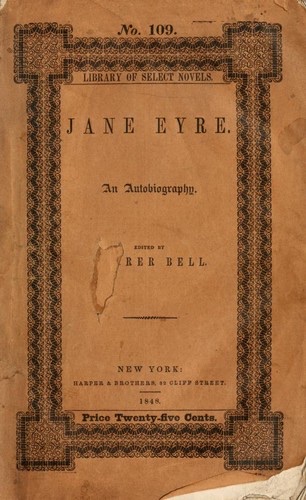
Cover of Jane Eyre

Jane Eyre

Charlotte Brontë

3 ideas

  1. Heroine's freedom purchased by another woman's erasure

    The novel's plot of female self-determination depends on a colonial woman who is denied speech, interiority, and a history of her own. Jane's rebellion against confinement, from the red-room to her refusal to become a mistress, is made legible by contrast with Bertha, who stays confined and animalized. Jane's final autonomy and happy marriage arrive only after Bertha is removed from the story by death, so one woman's liberation is structurally funded by another woman's exclusion.

  2. The double as suppressed self

    Read Bertha as Jane's dark double. Her rage, sexuality, and violence act out the anger Jane is disciplined to repress. Seen this way, the attic stores whatever a respectable woman must disown in order to be accepted.

  3. Madness as a label authored by power

    Once a husband's word or a racial theory defines a person as mad, that person's resistance becomes proof of the diagnosis. The labeled person then has no standing from which to tell a counter-story.

Save and mark ideas in the app