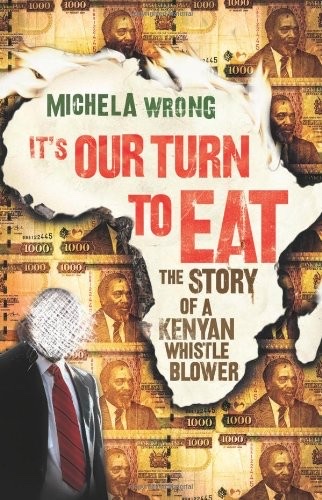
Cover of It's Our Turn to Eat

It's Our Turn to Eat

Michela Wrong

4 ideas

  1. It's our turn to eat

    In Kenya's ethnic patronage system, winning state power is understood as a group's turn at the national trough. The president's ethnic community expects public resources, jobs, and contracts to flow to its members. Corruption is therefore felt as collective entitlement and delayed justice for past exclusion, not as individual theft, and that gives it moral cover among ordinary co-ethnics.

  2. Anglo Leasing phantom security contracts scandal

    Kenyan officials signed security procurement contracts, including a passport-printing system, with shell companies such as Anglo Leasing that delivered little or nothing. Hundreds of millions of dollars were routed through them under cover of national-security secrecy. Githongo found that the scheme reached senior ministers in Kibaki's inner circle, and that part of the money was meant to build a war chest for the next election.

  3. Insider whistleblowing as tribal betrayal

    Githongo was a Kikuyu, like Kibaki's inner circle, so his exposure of the scandal was read by his own community as treachery against the tribe, not as civic duty. Because patronage runs on ethnic loyalty, the heaviest price for exposing corruption falls on insiders, through social exile, family pressure, and threats.

  4. Donor aid sustains the corruption it condemns

    Western donors kept praising Kenya's anti-corruption rhetoric and releasing aid even after the evidence of grand theft was clear. Their reasons were strategic interests, their own loan-disbursement targets, and the wish for a success story. Because they rewarded the appearance of reform, the government could create anti-graft offices as window dressing while senior officials kept stealing.

Save and mark ideas in the app