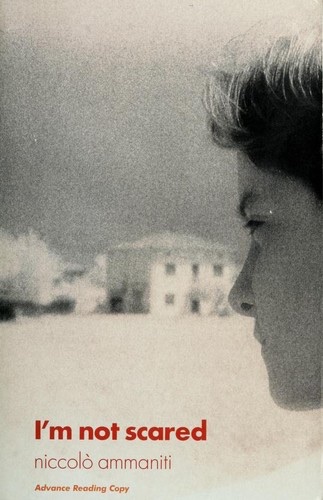
Cover of Io non ho paura

Io non ho paura

Niccolò Ammaniti

4 ideas

  1. Boy discovers chained kidnapped child

    In the drought summer of 1978 in Acqua Traverse, a tiny hamlet in southern Italy, nine-year-old Michele Amitrano finds Filippo, a blond boy from a rich northern family, chained in a covered hole beside an abandoned farmhouse. Michele secretly brings him food and water and gradually realises that his own father, his mother and the other village adults are holding Filippo for ransom, with a northern accomplice named Sergio directing the plan. Michele tries to free him, and in the climax his father, not knowing who is in the dark, shoots Michele while police helicopters close in.

  2. Child's limited view exposes adult crime

    The story is told through a child who only half understands what he sees, so the reader grasps the kidnapping before the narrator does. The distance between what Michele observes and what he can understand makes ordinary adult behaviour—hushed kitchen talk, TV news, a father's nervous kindness—look sinister. Moral horror comes from details the child records but cannot yet read.

  3. Poverty turns a whole community complicit

    The kidnapping is not one villain's act but a collective enterprise of desperate, economically abandoned villagers, including loving parents, who see a rich northern child as a resource. Shared guilt binds the community: once everyone is involved, silence becomes mutual protection and no adult can refuse without betraying the rest. Ordinary people commit monstrous acts when deprivation and group loyalty make the crime feel normal.

  4. Loyalty to a parent against conscience

    Michele must choose between obeying and protecting his father and doing what he knows is right for a stranger. His courage is not the lack of fear but acting on his moral judgement while afraid, which means breaking his father's command and the family bond. Growing up is shown as the moment a child finds out his parents can be wrong and still chooses to act on his own conscience.

Save and mark ideas in the app