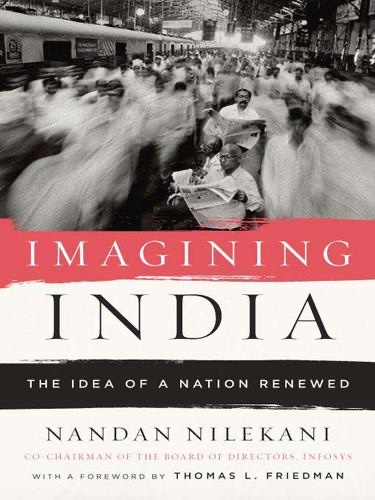
Cover of Imagining India

Imagining India

5 ideas

Buy on Amazon
  1. Demographic dividend as time-limited window

    A young, growing working-age population relative to dependents creates a one-time economic advantage, but this dividend only pays off if the state simultaneously invests in education, health, and job creation. Without those investments the same youth bulge becomes a liability rather than an asset.

  2. Unique identity as access infrastructure

    A single verifiable identity number for every resident lets the poor, who lack documents, prove who they are and thereby claim services, bank accounts, and benefits directly. The mechanism attacks exclusion by making identity portable and non-duplicable rather than tied to local gatekeepers.

  3. English reframed from colonial relic to asset

    Indians once resisted English as a legacy of subjugation, but it became a competitive advantage once global services work could be done remotely in English. The same attribute flipped from stigma to strategic resource as the external economic context changed.

  4. Cities as engines, not burdens

    Viewing urbanization as a problem to be slowed leads to neglect and slums, while viewing cities as the primary generators of productivity and growth reframes investment in urban infrastructure as foundational rather than optional. What you build depends on whether you treat urban migration as decay or as the economy's growth mechanism.

  5. Technology as leapfrogging over legacy

    Countries lacking entrenched old infrastructure can skip intermediate stages by adopting new technology directly, as India moved to mobile phones without building out landlines. The absence of legacy systems becomes an advantage because there is nothing to dismantle before adopting the newer, cheaper layer.

Save ideas and give them a thumbs up or down in the app