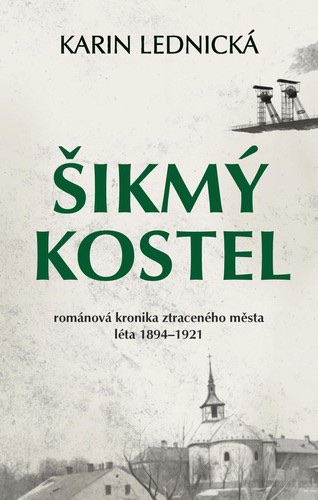
Cover of Šikmý kostel

Šikmý kostel

Karin Lednická

4 ideas

  1. Karviná's leaning church outlives its town

    The coal that fed the town was later mined out from under it: the old town was demolished and the ground subsided, and the Baroque church of St. Peter of Alcantara was left standing alone, tilted several degrees. The church is the surviving physical record of a community that no longer exists.

  2. Extractive industry consumes the community it sustains

    In a single-resource town the mine is the source of wages, housing and identity, and also the force that endangers bodies and eventually undermines the ground itself. Residents cannot leave the thing that is killing them because it is also the only thing feeding them.

  3. Borders redrawn over already-mixed neighbors

    Czechs, Poles and Germans in the coalfield shared shafts, streets and marriages long before national identity became a political demand. When the post-1918 states fought over the region and partitioned it, people who had lived as neighbors were forced to choose sides. Read through households rather than capitals, national conflict looks like a category imposed on people who had lived as a blended population, not like an ancient hatred.

  4. History told through women's domestic endurance

    Mine explosions, war, epidemics and strikes are shown mainly through the wives, mothers and daughters who absorb their consequences. These women bury husbands, manage scarcity, take in orphans and hold families together across generations. Shifting the viewpoint from the shaft to the household shows that industrial catastrophe keeps unfolding for decades after the event itself.

Save and mark ideas in the app