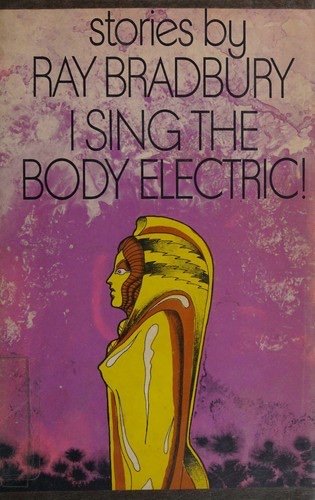
Cover of I Sing the Body Electric!

I Sing the Body Electric!

Ray Bradbury

5 ideas

  1. The Electric Grandmother Raises Motherless Children

    After their mother dies, a widowed father and his three children, Tom, Timothy and Agatha, order a custom robot grandmother from the Fantoccini company. The children choose her features from catalog parts, and she arrives to cook, tell stories, and give each child tailored attention.

  2. Grief Refuses Love That Might Leave

    Agatha rejects the grandmother because accepting love means risking another abandonment like her mother's death. She yields only after running into traffic: the grandmother is struck in her place and survives, proving she cannot die. A bereaved child's resistance to a new caregiver is a defense against repeat loss, and it is overcome by evidence of permanence, not by kindness.

  3. Mechanical Caregiver as Perfectible Love

    Because the grandmother is built rather than born, she can hold no favorites, feel no fatigue, and give each child the exact attention they need at once. The story treats the machine's lack of human limits as the source of its superior care. That inverts the usual fear that artificial beings will be colder than people.

  4. Driving Hemingway Toward a Better Death

    In "The Kilimanjaro Device," a narrator arrives in Ketchum, Idaho, with a truck that can travel in time. The story argues that a person's death shapes their legend, and that a fitting death is a gift that can redeem a life's final chapter.

  5. Your Recorded Past Self as Tormentor

    In "Night Call, Collect," an old man alone on Mars keeps receiving phone calls in his own younger voice. His earlier self set up the recordings decades before as a prank. Seen this way, a person's past self is a separate, crueler agent who shaped the present on purpose and can still reach forward to wound the person they became.

Save and mark ideas in the app