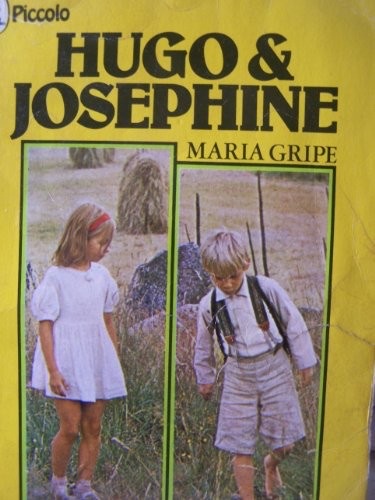
Cover of Hugo and Josephine

Hugo and Josephine

Maria Gripe

4 ideas

  1. Shy vicar's daughter befriends truant woodcarver

    In a rural Swedish parish, Josephine, the lonely youngest child of the vicar, starts school and is teased and isolated by her classmates. Hugo, a self-possessed boy who comes to school only when he judges it worthwhile and spends his other days in the forest carving wood and observing nature, openly takes her side. Through that friendship Josephine gradually gains the confidence to stand among her peers.

  2. One secure ally dissolves social isolation

    A child being excluded does not need the whole group's acceptance to recover. A single peer who is visibly unafraid of the group's judgment changes how the others see the outcast, and it gives the isolated child a model of self-possession to borrow. Hugo's indifference to ridicule protects Josephine more than any adult intervention does.

  3. Self-directed learning outside institutional schedules

    Hugo treats school as one source of knowledge among many. He attends when the lessons serve his curiosity and learns directly from forests, animals and craft the rest of the time. His competence and composure unsettle the assumption that attendance equals education, and adults are forced to deal with him on his own terms rather than by rule.

  4. Adult world seen through literal child logic

    The story is filtered through a child's literal reasoning about names, religion, grief and adult rules. This exposes how much of adult behavior depends on unspoken conventions a child cannot yet decode. Josephine's misreadings are treated as serious attempts to make sense of the world, not as errors to correct, which makes adult inconsistency visible.

Save and mark ideas in the app