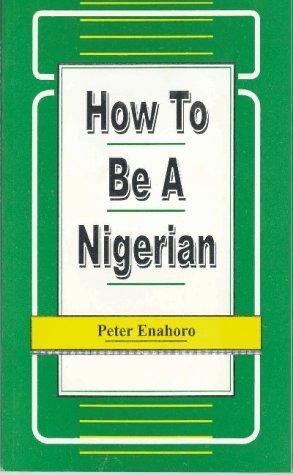
Cover of How to Be a Nigerian

How to Be a Nigerian

Peter Enahoro

6 ideas

  1. The dash as a relationship technology

    The 'dash' is a small payment or gift that turns an impersonal transaction with a clerk, porter, or official into a personal obligation, so service flows through relationship rather than rule. Whether it counts as courtesy or bribery depends on social context rather than on the act itself, and that ambiguity is what lets the system run without anyone admitting to it.

  2. Lateness functions as a status signal

    Under 'Nigerian time,' punctuality is not a neutral virtue. Arriving on time can signal that you have nothing more important to do, while the important person proves his importance by making others wait. Chronic lateness therefore persists because it is rewarded socially, not because people cannot tell the time.

  3. Big Man measured by dependents

    A man's standing is measured less by private wealth than by visible display: the car, the entourage, and above all the number of relatives and hangers-on he supports. Success brings a flood of claims from the extended family, and meeting those claims is the price of keeping the status that success conferred.

  4. Politics as sharing the national cake

    In the new post-independence state, a politician is judged by how much of the central government's resources he brings back to his own town or ethnic group, not by policy or national vision. This makes elections contests between groups for a share of spoils, and loyalty to one's own people becomes the core political virtue.

  5. Satire as an instruction manual

    Presenting social vices as a how-to guide, with rules to follow for becoming a proper member of the society, exposes the hidden incentives behind behavior that serious analysis usually treats as mere dysfunction. Once a custom is written as a rule you must obey, readers can see that it is a rational adaptation to the system and not simply a personal failing.

  6. Lagos Editor Satirizes a Collapsing Republic

    Peter Enahoro, the young editor of the Lagos Daily Times who wrote satire under the pen name 'Peter Pan', published How to Be a Nigerian through the Daily Times in 1966, drawing on his columns about First Republic Lagos. That same year military coups swept away the politicians and the national-cake politics the book mocked, and Enahoro soon left Nigeria for exile.

Save and mark ideas in the app