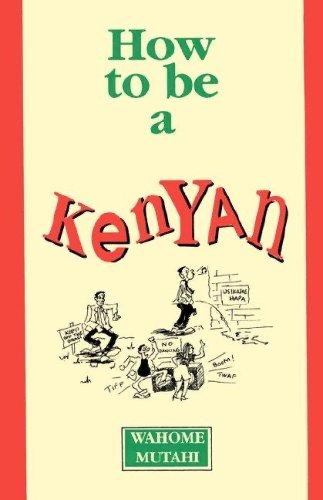
Cover of How to Be a Kenyan

How to Be a Kenyan

Wahome Mutahi

5 ideas

  1. Kitu kidogo as routine transaction cost

    The small bribe, 'kitu kidogo' ('a little something'), is treated as a predictable fee rather than a moral breach. Everyone knows the going rate for a traffic stop, a permit or a file that must 'move'. Once the payment is priced and expected, refusing it becomes the deviant act, and the honest citizen is the one who pays in delay.

  2. The matatu as society in miniature

    The privately run minibus reproduces the whole social order in one vehicle. The conductor who packs in passengers past legal capacity, the driver who pays off police at checkpoints, the music, the touts and the passengers' silent consent all show how rules are bent collectively. Reading public transport this way shows which laws a society actually enforces and which it only displays.

  3. Funerals function as status competitions

    Death rites in this satire serve the living more than the dead. Elaborate burials, fundraising drives and eulogies become arenas where families and politicians compete for prestige, and relatives compete over property. The cost and spectacle of mourning can impoverish the bereaved, yet no one can scale it down without appearing disrespectful.

  4. Office work performs activity without producing

    The satire depicts the civil-service-style office as a place where looking busy, attending meetings, tea breaks and deference to the boss replace output. Advancement comes from loyalty and connections rather than results, so rational employees invest in appearances. Any reform that measures outputs threatens an entire economy of pretending.

  5. The everyman narrator outwitted by the system

    Mutahi's signature device, carried over from his Whispers column, is a hapless first-person narrator. That narrator schemes to beat the matatu crew, the policeman, the boss or his own sharp-tongued wife, and he ends up paying more, waiting longer or being exposed. I cannot verify specific episodes of this particular title, so treat this as the book's characteristic case pattern rather than a quotable incident.

Save and mark ideas in the app