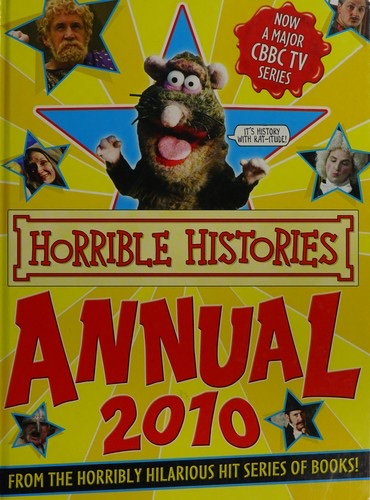
Cover of Horrible Histories

Horrible Histories

Terry Deary

4 ideas

  1. History seen from the gutter up

    The series tells each period through the daily miseries of ordinary people, such as peasants, soldiers, child workers and prisoners, rather than through kings and treaties. Asking what it smelled like, what people ate, how they were punished and how they died shows a past full of bodily discomfort and routine cruelty. That picture is invisible when history is told as the achievements of rulers.

  2. Disgust and gore as learning hooks

    Gruesome, gross and forbidden-seeming details, such as torture, disease, toilets and executions, capture children's attention because they feel like things adults would rather not say. Once hooked by the revolting detail, readers take in the surrounding context, such as religion, economics and power, that explains why the detail existed. Transgression works as the delivery mechanism for ordinary historical understanding.

  3. Egyptian embalmers hooked brains out nostrils

    They kept the heart in the body because they believed it held thought and would be weighed in the afterlife. The case shows how a culture's beliefs about where the mind lives directly dictated its physical treatment of the dead.

  4. Accuracy traded for engagement as gateway

    It works as a gateway: it sends readers on to fuller sources, not as a final authority. The cost is that some simplifications or exaggerations get remembered as fact.

Save and mark ideas in the app