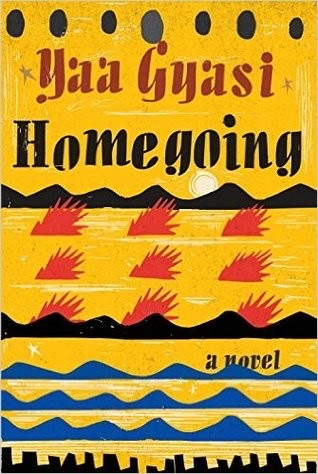
Cover of Homegoing

Homegoing

4 ideas

Buy on Amazon
  1. Two half-sisters split by slavery

    In 18th-century Ghana, half-sisters Effia and Esi, born to the same mother but never meeting, take opposite paths: Effia marries a British slave trader and lives in Cape Coast Castle, while Esi is captured and held in the dungeon beneath that same castle before being shipped into American slavery. Their separate bloodlines, traced through seven generations each, show how a single familial origin can branch into radically divergent histories of complicity and suffering.

  2. Slavery implicated Africans as well as colonizers

    The Atlantic slave trade operated through African participation: coastal peoples and kingdoms captured, sold, and profited from members of rival groups, delivering them to European buyers at the coastal castles. Culpability is not confined to the European traders; it extends into the African societies that supplied the trade.

  3. Inherited trauma carried without memory

    Harm inflicted on one generation surfaces in descendants who do not know its source, appearing as unexplained fear, addiction, or a recurring symbol (here, a feared blackness and water) passed down a bloodline. The wound is transmitted as sensation and pattern rather than as a told story, so later generations suffer an inheritance they cannot name.

  4. History as unrecorded parallel to the record

    A character argues that written history favors the powerful, so to recover the past you must weigh who told the story and what their stake was, treating silence and absence in the record as evidence rather than emptiness. Reading each generation's chapter as one undocumented life alongside the official account reframes 'history' as the sum of the stories that were never written down.

Save ideas and give them a thumbs up or down in the app