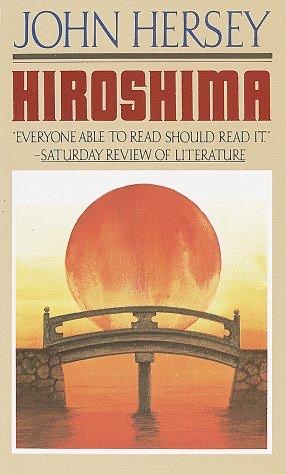
Cover of Hiroshima

Hiroshima

4 ideas

Buy on Amazon
  1. Six survivors at the moment of detonation

    At 8:15 a.m. on August 6, 1945, each of six people in Hiroshima (a clerk, two doctors, a widow, a priest, and a pastor) was caught in an ordinary act: sitting down at a desk, reading a newspaper, turning to speak to a neighbor. The bomb struck without warning in the gap between one mundane motion and the next, so that survival or death turned on the precise angle, shadow, or wall each happened to be behind. None perceived a bomb; each registered only a soundless flash and then found their world rearranged.

  2. Catastrophe is experienced as fragments, not events

    A person inside a mass disaster does not grasp its scale or nature; they process only the immediate, local, and physical: a wall falling, a fire approaching, a cry for water. The meaning of what happened (that a single bomb destroyed a city) arrives days or years later, assembled from outside, while the lived experience remains a sequence of small concrete problems.

  3. Composure as culturally shaped disaster response

    The survivors Hersey follows meet horror with a striking quietness: the wounded wait in orderly silence, apologize for trouble, and submit to fate without protest. The book presents this restraint as a specific cultural and social pattern of bearing suffering, not as a universal human reaction, shown through repeated small instances rather than asserted as law.

  4. Scale rendered through individual bodies

    Rather than report a death toll, the account makes mass destruction legible by tracking a handful of named people through specific wounds, errands, and hours. One person's unexplained symptoms weeks later (hair falling out, purple spots) conveys radiation sickness more forcibly than any aggregate figure, because statistics numb while a single traced life resists abstraction.

Save ideas and give them a thumbs up or down in the app