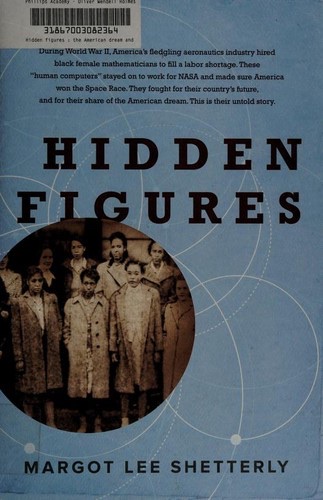
Cover of Hidden Figures

Hidden Figures

Margot Lee Shetterly

4 ideas

  1. Glenn asks for Katherine Johnson's check

    Before John Glenn's 1962 Friendship 7 orbital flight, NASA had moved trajectory calculations onto IBM electronic computers, but Glenn distrusted the new machines. He asked that Katherine Johnson, a Black mathematician from Langley's formerly segregated West Area Computing unit, run the same equations by hand, and said he would fly only if her numbers matched the machine's. They matched, and the case shows how trust in a new technology was underwritten by a human expert who was institutionally marginalized.

  2. Wartime labor shortages opened segregated technical doors

    Black women entered Langley as computers in 1943 because World War II aircraft production created demand for mathematical labor that white hires could not meet. Executive Order 8802, won through A. Philip Randolph's threatened march on Washington, barred discrimination in defense industries. Access came through economic necessity combined with political pressure, not from a change of heart, so institutions integrated first where their need was greatest.

  3. Anticipating technological obsolescence through self-retraining

    When NASA brought in IBM electronic computers, Dorothy Vaughan saw that hand computation would disappear. She taught herself FORTRAN and trained the women she supervised in it, so the change that threatened their jobs became a path into programming. The mechanism is to learn the replacing technology before the institution requires it, which turns displaced workers into the people the new system depends on.

  4. Credentials as barriers built into rules

    Mary Jackson could only qualify as an engineer by taking graduate-level courses offered at segregated Hampton High School, so she petitioned the City of Hampton for permission to attend. Seen this way, discrimination often works through neutral-sounding requirements attached to segregated venues, not through outright bans. Getting past it required legal or procedural exceptions made one person at a time.

Save and mark ideas in the app