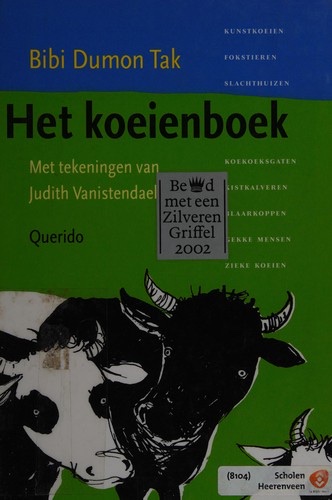
Cover of Het koeienboek

Het koeienboek

Bibi Dumon Tak

4 ideas

  1. The Dutch dairy cow's milk cycle

    The book portrays the ordinary Dutch dairy cow as a concrete case. Her calf is usually taken from her soon after birth, and the milk meant for it goes to people instead. Seen this way, the cow in the meadow is the centre of a production loop that depends on repeated births and separations.

  2. Rumination turns grass into food

    A cow swallows grass, brings it back up, and chews it again as cud. Its multi-chambered stomach holds microbes that break down cellulose, which humans cannot digest. The cow works as a converter that turns inedible grassland into milk and meat, and that is the basic reason people keep cattle at all.

  3. The cow is a human-made animal

    Today's cow is not a wild creature. It descends from a large wild ancestor that humans domesticated and then bred for generations for docility, milk and meat. The animal's shape, udder size and temperament record human choices, so understanding a cow means understanding a long partnership with people.

  4. Making the overlooked animal strange again

    Children are taught to look closely and playfully at an animal so common that everyone stops seeing it. Short, direct, often funny observations about its body, habits and history turn the commonplace cow into something surprising. Attention itself becomes the source of wonder, and the unremarkable is revealed as complex.

Save and mark ideas in the app