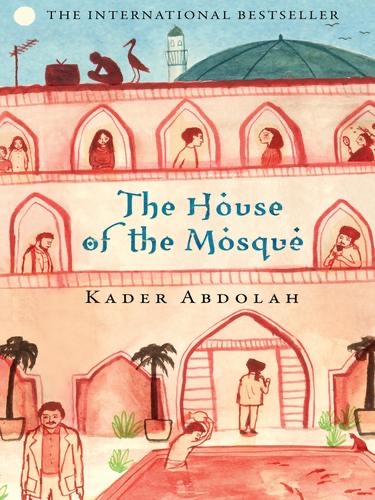
Cover of Het huis van de moskee

Het huis van de moskee

Kader Abdolah

4 ideas

  1. The mosque family split by revolution

    Aqa Jaan, a carpet merchant in Senejan, heads the family that has kept the town's ancestral mosque for generations, living alongside its imam and muezzin. When the shah falls, the Islamic Revolution does not strengthen this religious household but breaks it apart.

  2. Revolutionary religion displaces traditional religious authority

    A revolution made in the name of faith turns first against the quiet, hereditary custodians of that faith. Local clergy and merchant families held authority through lineage, community service and moderation, and the new order treats that authority as a rival rather than an ally. Religious legitimacy moves from families who kept the institution to ideologues who seize it.

  3. The mosque as civic and commercial institution

    Read the mosque not as a purely spiritual site but as a hub that ties together trade, kinship, local governance and daily routine. It is maintained by a merchant's money and a family's hereditary roles. Seen this way, political upheaval reaches ordinary life through the institution that holds the community's economy and relationships together, not through doctrine.

  4. Modernity arrives through small household intrusions

    Large historical change first shows up as small domestic disputes: a new medium, device or habit that the patriarch must permit or forbid. Each decision about what enters the house becomes a contest over authority between generations. That contest foreshadows the larger political rupture before it arrives.

Save and mark ideas in the app