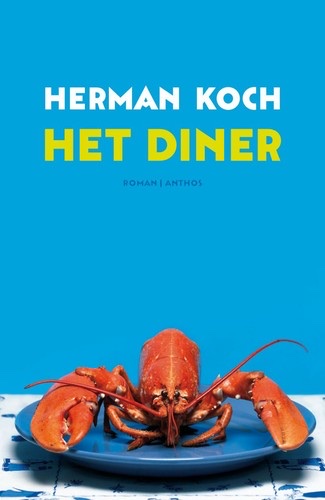
Cover of Het diner

Het diner

Herman Koch

4 ideas

  1. Two couples dine over their sons' killing

    Paul Lohman and his wife Claire meet Paul's brother Serge, the favourite to become Dutch prime minister, and Serge's wife Babette at an expensive Amsterdam restaurant. Their fifteen-year-old sons, Michel and Rick, were filmed on a security camera setting a homeless woman on fire in a bank's cash-machine vestibule, and the footage has aired on television without anyone identifying them. Over the courses of the meal, Serge proposes going public and giving up his candidacy, while Claire and Paul work to keep the crime buried, and the evening ends with Claire smashing a wine glass into Serge's face to stop him.

  2. Parental love as license to override morality

    The novel argues that a parent's unconditional loyalty to a child can harden into active complicity. The parents do more than excuse their son's crime: they recast the victim as having been 'in the way,' and they judge any outsider who threatens the child's future to be the real danger. The parents who seem most loving and most 'normal,' Claire and Paul, turn out to be the most ruthless, because protecting the family ranks above justice for anyone outside it.

  3. Recruiting sympathy before revealing the violence

    Paul narrates the first-person story with witty contempt for pretension, such as the restaurant's absurd food descriptions, the manager's pointing pinky, and his brother's staged populism. The reader naturally sides with him. Only gradually does the book reveal his history of violence, his forced leave from teaching, and his approval of his son's crime, so the reader discovers they have already taken the side of a dangerous man.

  4. Inherited disposition as a ready-made alibi

    Paul hints at an unnamed hereditary condition behind his outbursts, and he wonders whether Michel was tested for it before birth. This offers a biological explanation for violence running through the family. The novel shows that such an explanation works less as understanding than as absolution: if the aggression is 'in the genes,' neither the father nor the son has to own it as a choice.

Save and mark ideas in the app