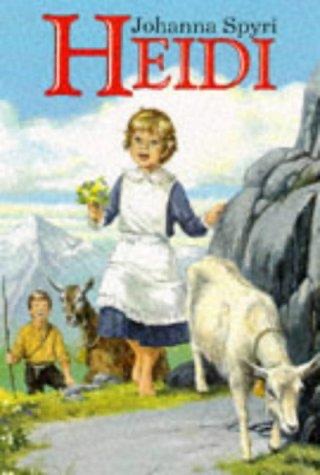
Cover of Heidi

Heidi

Johanna Spyri

4 ideas

  1. Heidi melts the Alm-Uncle's isolation

    Five-year-old orphan Heidi is left by her aunt Dete with her grandfather, the Alm-Uncle, a bitter recluse living alone above Dörfli after a ruined past and the deaths of his son and daughter-in-law. The villagers shun him and he shuns them. Her uncomplicated delight in his hut, his goats, and the mountain slowly draws him back, and he ends up returning to church and wintering in the village.

  2. Homesickness wasting a child in Frankfurt

    Heidi is taken to Frankfurt as a companion for Clara Sesemann, an invalid girl. She is told to hide her longing for the mountain so she will not seem ungrateful, so she suppresses it, grows pale and thin, and begins sleepwalking, which the household takes for a ghost. The doctor recognizes the illness as severe homesickness, and the only cure is to send her home at once.

  3. Mountain air and simple food restore bodies

    The novel argues that a crippled or wasting body can be healed by clean Alpine air, fresh goat's milk, sunlight, and physical freedom, where city comfort and medicine fail. Clara, who uses a wheelchair, visits the Alm, grows strong on this regime, and learns to walk once her chair is destroyed and she is forced to try.

  4. Grief as self-imposed exile from community

    The grandfather's harshness is shown as bereavement and guilt turned into withdrawal rather than as simple misanthropy. The isolation keeps his pain intact because nothing can challenge the belief that he is beyond forgiveness. Seen this way, the way out is not an argument but a dependent who needs him, which forces him back into daily relationship and eventually into reconciliation with God and the village.

Save and mark ideas in the app