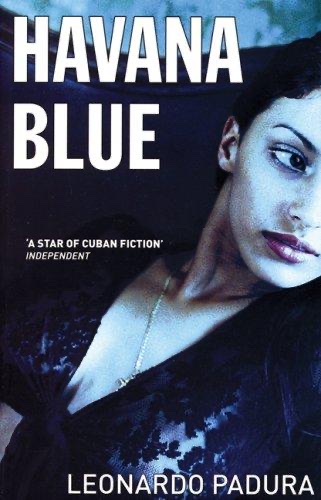
Cover of Havana Blue

Havana Blue

Leonardo Padura

4 ideas

  1. The model comrade who vanished on New Year's

    On New Year's Day 1989, Rafael Morín, a rising manager in Cuba's industrial bureaucracy, disappears in Havana. Lieutenant Mario Conde, who went to pre-university school with him and still desires Rafael's wife Tamara, is assigned the case. The investigation strips away Rafael's image as the flawless young Communist leader and exposes an opportunist who used his position for corruption and private gain.

  2. Institutions reward performed virtue, not virtue

    A system that promotes people on displayed ideological correctness selects for those best at performing loyalty, and the most polished performers are often the most calculating. Rafael's record as student leader and exemplary cadre was not a mask over his careerism. It was the tool of that careerism, and it shielded him from scrutiny until he vanished.

  3. Investigation as audit of one's own past

    When the detective shares a history with the victim, solving the case also means revising his own memory. Every clue about the missing man also reveals how Conde's generation misread its idols, its rivals, and its youthful promises. The 'perfect past' of the original title is the object under investigation, and the crime is secondary.

  4. The disenchanted generation's melancholy witness

    Conde embodies a generation raised on the Revolution's promises that reached adulthood to find careerists rewarded and themselves diminished. His melancholy works as a moral instrument: because he has no investment in the official story, he can see what it hides.

Save and mark ideas in the app