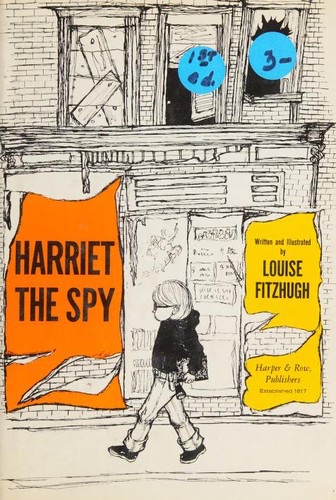
Cover of Harriet the Spy

Harriet the Spy

Louise Fitzhugh

4 ideas

  1. The notebook read aloud in the park

    Eleven-year-old Harriet Welsch follows a daily spy route around Manhattan and writes unsparing judgments of friends and neighbours in a composition notebook. During a game of tag, her classmates find the notebook and read aloud what she wrote about them, including her best friends Sport and Janie. They form a Spy Catcher Club and shun her, she retaliates with pranks and fights, and her parents send her to a psychiatrist before she finds her way back.

  2. Lie outwardly, never lie to yourself

    Harriet's former nurse, Ole Golly, writes her a letter that separates two kinds of honesty. Social life sometimes requires small lies and apologies to people you have hurt, and these do not betray the truth. The real obligation is to tell the truth to yourself, which is what the notebook is for. Honesty is a duty to your own perception, not a licence to deliver every judgment to its target.

  3. Observation without imagined interiority becomes cruelty

    Harriet's notes record behaviour accurately but treat people as specimens, so the entries are true and still wounding. After she is cast out, she deliberately tries to imagine what it feels like to be Sport or Janie, and her watching changes character. The difference between a spy and a writer is whether the observer models the inner life of the people observed.

  4. Redirecting a harmful compulsion into sanctioned channel

    Harriet's urge to observe and write is never cured. Making the habit public and accountable turns the same behaviour from a social weapon into a recognized contribution, and this works where suppressing the habit would fail.

Save and mark ideas in the app