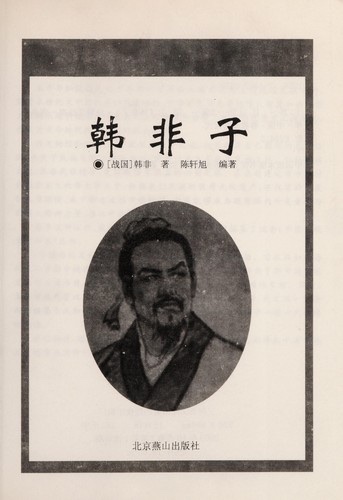
Cover of Han Feizi

Han Feizi

Anonymous

9 ideas

  1. The Two Handles: Punishment and Reward

    A ruler controls ministers through exactly two levers, punishment and reward, and must never delegate either. Whoever hands out penalties and favors becomes the object of fear and gratitude, so a ruler who lets a minister administer them has transferred his real power even while keeping the title.

  2. Matching Names to Results (xingming)

    The ruler has a minister state in advance what he will accomplish (the 'name'), then judges only whether the actual result (the 'form') matches it. Falling short and overshooting are both punished, because the test is fidelity to the commitment, not how good the outcome looks. This removes the ruler's need for expertise and his exposure to persuasion.

  3. Marquis Zhao Punishes Both Hat-Keeper and Crown-Keeper

    Marquis Zhao of Han fell asleep drunk, and the keeper of caps, seeing him cold, covered him with a robe. On waking, the Marquis punished the keeper of robes for neglecting his duty and also punished the keeper of caps for exceeding his office. The episode shows that encroaching on another's role is treated as more dangerous than being cold, since blurred jurisdictions destroy accountability.

  4. The Ruler's Visible Preferences Get Exploited

    Any taste, fear, or desire a ruler shows becomes a handle subordinates use to flatter and manipulate him. His vivid example is the King of Chu, who loved slim waists, so his court starved themselves. The ruler should conceal likes and dislikes and stay inscrutable, so that ministers reveal their true capacities instead of performing to his signals.

  5. Positional Authority Outweighs Personal Virtue

    Order comes from shi, the leverage of the position, not from the ruler's wisdom or goodness. Institutions should therefore be designed to function under average rulers rather than depend on rare sages.

  6. The Two Handles of Reward and Punishment

    A ruler controls ministers through exactly two handles: punishment and favor (xing and de). If the ruler lets a minister dispense either one, subordinates will fear or court that minister instead of the ruler, and real power moves to him while the throne stays nominally where it was. The tiger rules the dog only because it has claws; hand the claws to the dog and the tiger submits.

  7. Matching Name to Performance (Xingming)

    The ruler has each official state in advance what he will accomplish (the name), then checks the result against that statement (the form). The ruler rewards an exact match and punishes any mismatch, including overperformance, because exceeding one's stated remit is encroachment. Officials are then judged by a mechanical comparison, not by the ruler's opinion of their character, so they cannot win reward by flattery.

  8. Revealed Desires Become Handles for Manipulation

    Any preference the ruler shows gives ministers a map for faking loyalty. They adopt his tastes, feed his appetites and shape the information he sees until he is governed by what he appears to want. So the ruler must stay empty and still, hiding his likes and dislikes, and force subordinates to reveal themselves first.

  9. Government Must Assume Self-Interest, Not Virtue

    Morally good men are too rare to staff a state, so a system that depends on the goodness of officials fails. Han Fei notes that even parents calculate profit, favoring sons and killing daughters at birth, and that a carriage-maker wants people to be rich only because rich people buy carriages. Uniform, public laws that harness self-interest let average people govern adequately without waiting for sages.

Save and mark ideas in the app