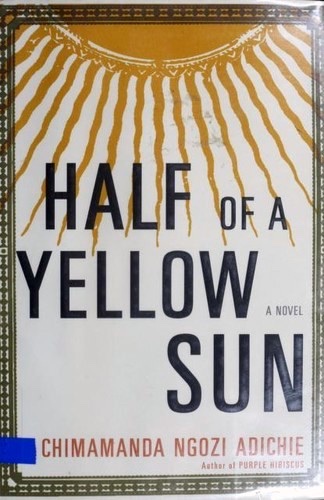
Cover of Half of a Yellow Sun

Half of a Yellow Sun

Chimamanda Ngozi Adichie

4 ideas

  1. The Calabash on the Train

    During the 1966 massacres of Igbo in northern Nigeria, Olanna flees Kano on a crowded train and sees a woman holding a calabash. The woman opens it to show her daughter's severed head, with its braided hair and rolled-back eyes, which she is carrying home.

  2. The War's Story Belongs to Its Survivors

    Throughout the novel, a book called 'The World Was Silent When We Died' is quoted in fragments, and the reader assumes the English expatriate Richard is writing it. At the end it turns out the houseboy Ugwu wrote it, after Richard admits the war is 'not my story to tell.' The novel argues that authority to narrate a catastrophe comes from having lived inside it, not from outside sympathy or literary credentials.

  3. Starvation as Siege Weapon and Spectacle

    The Nigerian blockade of Biafra made hunger the main instrument of war, and kwashiorkor became visible in the swollen bellies and reddened hair of refugee children. The same starving children became the images that finally drew foreign attention. In this way the mechanism of killing doubled as the only currency that bought the world's notice, yet that notice did not stop the blockade.

  4. Ugwu Conscripted Into Perpetration

    Ugwu is a gentle, bookish houseboy who is forcibly conscripted as a teenager into the Biafran army. In a bar, under pressure from fellow soldiers, he joins the gang rape of a young woman, and afterward carries the shame of it into his writing. The episode shows an ordinary sympathetic person becoming a perpetrator through coercion, peer pressure and the collapse of social order, rather than through innate cruelty.

Save and mark ideas in the app