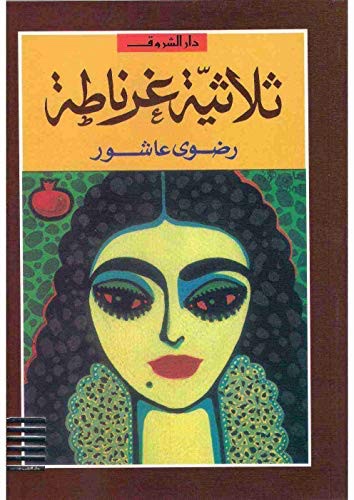
Cover of Granada

Granada

Radwa Ashour

4 ideas

  1. The Bookbinder Who Watched Manuscripts Burn

    Abu Jaafar, an elderly bookbinder and copyist in Granada's Albaicín, watches Castilian authorities burn heaps of Arabic manuscripts in the Bab al-Ramla square around 1499, in violation of the surrender treaty's guarantees. He never recovers from the sight, and his collapse opens the family's long decline.

  2. Erasure Proceeds Through Everyday Prohibitions

    The novel shows a conquered culture being dismantled less by massacre than by accumulated administrative bans. Forced baptism, compulsory Christian names, and prohibitions on Arabic, traditional dress, public baths and customary rites each seem bearable alone. Together they make ordinary life itself an offense, so survival requires daily concealment rather than a single act of submission.

  3. Salima Burned as a Witch

    Salima, Abu Jaafar's granddaughter, is a self-taught reader of Arabic books who experiments with herbal remedies. Inquisitors arrest her, try her and burn her as a witch. Her case shows how a regime targeting a minority reclassifies its private learning and healing knowledge as heresy, so that knowledge-keeping becomes a capital crime, especially for a woman.

  4. Storytelling as the Archive of Last Resort

    When books are burned and the language is outlawed, memory moves into oral and domestic forms. In the novel this is Maryama's storytelling, household rituals, and the knowledge passed quietly from grandparent to grandchild. Seen this way, a persecuted community's history lives less in documents than in who keeps telling it at home.

Save and mark ideas in the app