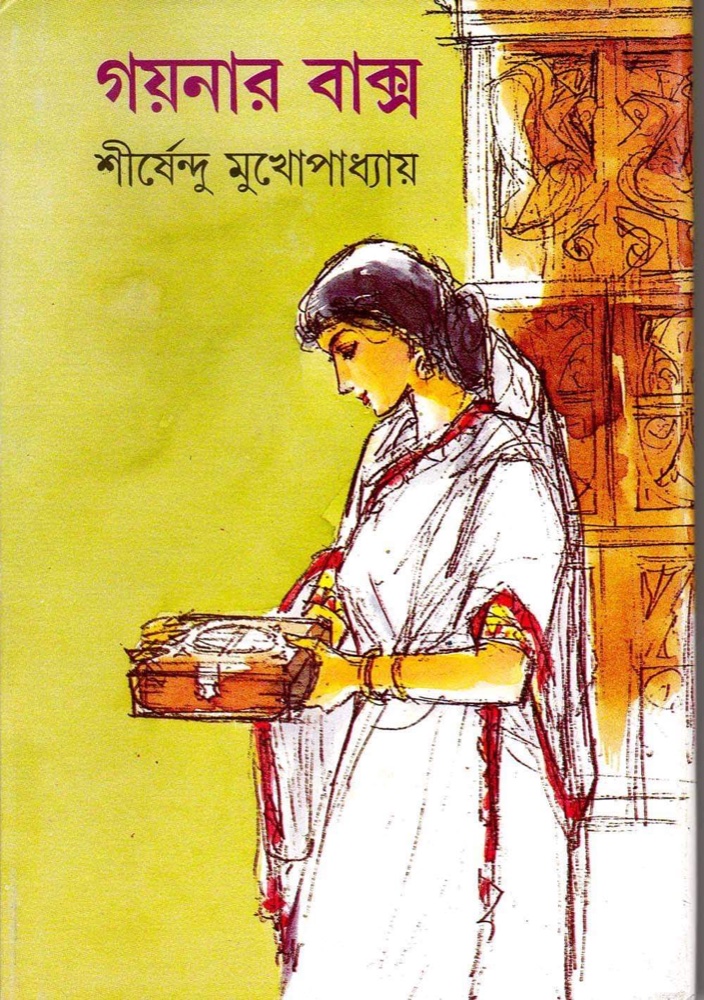
Cover of Goynar Baksho

Goynar Baksho

India

3 ideas

Buy on Amazon

In a Bengali family household, a young bride meets the formidable ghost guarding an old jewellery box. Shirshendu Mukhopadhyay turns that encounter into a comic story about inheritance: the jewels carry a woman's claim to property across generations, and the new arrival must find her place among the living and the dead.

  1. Hoarding as compensation for a stolen life

    A person denied every other form of agency or pleasure fixes on a single possession as the one thing that is fully hers, and guards it past reason. Their value to her is proof of ownership, not use, so her attachment outlives her body and becomes the haunting itself.

  2. Idle inheritance kills families; circulated capital revives them

    The household's men live off the memory of landed wealth while doing nothing, and the family sinks. Stored wealth only preserves the family when someone converts it into productive enterprise. The one who does this is the young woman with the least formal standing in the house, not the men who formally inherit.

  3. The ghost as a voice for suppressed grievance

    The dead aunt's crude, uncensored speech says what a respectable widow could never say aloud in life: resentment at a marriage and a youth taken from her. Reading the ghost as a vent for silenced women's anger turns a comic haunting into a record of injustice. Her gradual alliance with the bride, and later with the bride's daughter, shows a grievance softening once another woman lives the freedom she was denied.

Save ideas and give them a thumbs up or down in the app