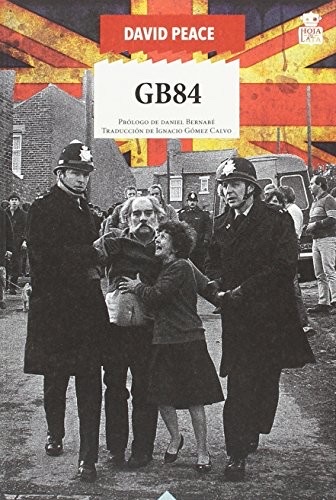
Cover of GB84

GB84

David Peace

4 ideas

  1. Orgreave and the Fixers' Strike

    Peace's novel follows the 1984–85 miners' strike week by week. Real events such as the June 1984 police rout of pickets at the Orgreave coking plant are interleaved with invented figures: Stephen Sweet, 'the Jew', a Thatcher-connected fixer modelled on David Hart who bankrolls working miners' legal actions, and Neil Fontaine, his ex-intelligence driver.

  2. The Deniable Private Intermediary of State

    The state outsources its dirtiest work to private fixers, security men and freelance agents. It can then pursue a political enemy with full force while keeping officially clean hands. The fixer funds splinter groups, bankrolls lawsuits and handles surveillance. This connects ministers and intelligence services to the operation without leaving a line of accountability.

  3. Unions Broken Through Money and Law

    The novel argues the strike was lost less on the picket line than through attrition of the union's resources. Court actions by working miners led to sequestration of the union's funds, and hidden money transfers exposed it to scandal. Informers and compromised officials inside its own headquarters completed the damage. Once an organisation's finances and internal trust are captured, mass collective action cannot save it.

  4. Conspiracy Above, Suffering Below

    Peace splits the book into two registers. Clipped noir chapters follow the operators who plot the strike's defeat. Read this way, a political conflict looks like a crime novel: ordinary people experience the outcome as fate, violence and hunger, while the decisions that caused it happen offstage among people they will never meet.

Save and mark ideas in the app