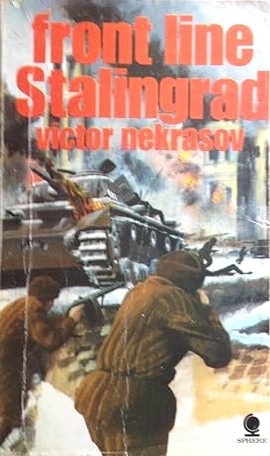
Cover of Front-Line Stalingrad

Front-Line Stalingrad

Viktor Nekrasov

4 ideas

  1. Abrosimov's frontal attack and tribunal

    The attack is cut down and many men die for no gain. A tribunal convicts Abrosimov and sends him to a penal unit, the novel's case of a commander who treats an order as more important than the men carrying it out.

  2. War is mostly labor, waiting, and fatigue

    The soldier at the front mostly lives through digging, mining, hauling, waiting for orders, hunger, and sleeplessness. Combat comes in short bursts between long stretches of this. Heroism is not a steady state but something incidental that happens inside the routine, so an honest account of war has to be built from the routine rather than from the charges.

  3. Front strips away peacetime rank and credentials

    Under fire, education, eloquence, and civilian standing stop predicting who is useful or reliable. The barely literate orderly Valega proves resourceful and utterly dependable. Judge people at the front only by what they do in the moment it is needed, not by their prior status.

  4. Retreat as an information vacuum

    During the summer 1942 withdrawal to the Volga, units do not know where the front is, where headquarters has gone, or whether neighboring units still exist. Orders arrive late, contradict each other, or never come. The demoralization comes less from losing ground than from not knowing anything, which leaves each small group improvising alone and suspecting it has been abandoned.

Save and mark ideas in the app