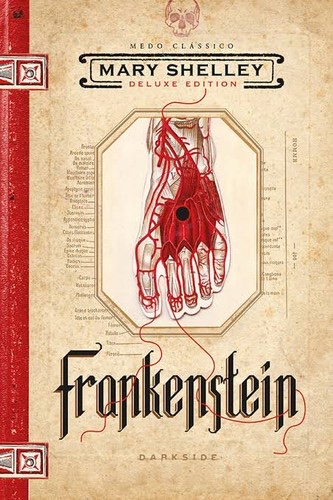
Cover of Frankenstein

Frankenstein

Europe · 18th century

4 ideas

Buy on Amazon

Across Europe, the young scientist Victor Frankenstein brings a creature to life, then abandons it. Mary Shelley’s Gothic novel follows the consequences for them both, giving the creature a place in the story beyond the experiment that made him.

  1. The De Lacey cottage rejection episode

    The creature hides in a hovel beside the exiled De Lacey family for months, secretly learns language by listening to Felix teach Safie, and reads Paradise Lost, Plutarch and Werther, all while leaving firewood for the family. The creature then burns the cottage, and his benevolence turns to vengeance.

  2. Misery made the creature a fiend

    The creature argues that he was born benevolent and became malicious only after every attempt at connection was met with violence and horror. His crimes, in this account, are the product of systematic exclusion, not innate nature. Cruelty is manufactured by how a being is received, not built into how it is made.

  3. Creator's abandonment as the original crime

    Victor's decisive failure is not animating the creature but fleeing from it the moment it opens its eyes. He refuses the duties of care, naming, and guidance that his act of creation imposed. Responsibility for a creation begins at the moment it exists, and walking away does not end that responsibility; it turns neglect into consequences that return to the maker.

  4. Obsessive discovery blinds the discoverer to consequences

    Victor pursues the secret of life in isolation. He neglects his family, his health and all reflection until the goal is achieved, and he sees its reality only after completing it. The lens asks, for any ambitious project, whether the builder has considered what happens the day after success. It also treats a solitary, secret pursuit of knowledge as a warning sign.

Save ideas and give them a thumbs up or down in the app