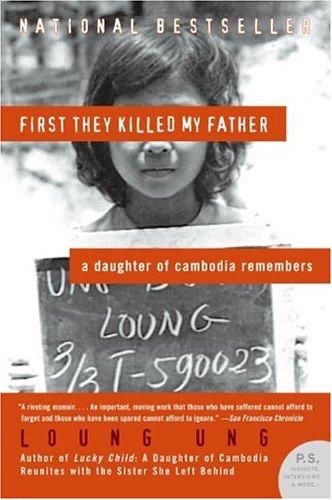
Cover of First They Killed My Father

First They Killed My Father

Loung Ung

4 ideas

  1. The three-day evacuation lie of Phnom Penh

    On April 17, 1975, Khmer Rouge soldiers emptied Phnom Penh by telling residents the Americans were about to bomb the city and they could come back in three days. Loung Ung's family of nine left with almost nothing. The temporary evacuation became a permanent forced march into rural labor camps where city dwellers were recast as 'new people' and never returned home.

  2. Father's concealed identity and his execution

    Loung's father, a former military police officer in the Lon Nol government, hid his past, and the family posed as peasants because the regime was purging anyone tied to the old state or the educated class. Soldiers eventually came and took him away 'to help move a cart,' and he never returned.

  3. Starvation corrodes loyalty inside the family

    Chronic hunger does not just weaken the body. It turns the people closest to you into rivals for food. Ung describes stealing handfuls of rice from her own family's shared supply and carrying lasting shame for it. Her account shows that engineered scarcity breaks solidarity from the inside, so the regime does not need to police every bond itself.

  4. Hatred as a child survivor's fuel

    Ung shows her younger self deliberately turning grief into fantasies of revenge and hatred of the Khmer Rouge. That rage kept her alive when despair would have ended her. The same emotion that sustains a person through atrocity then becomes the weight they have to carry afterward.

Save and mark ideas in the app