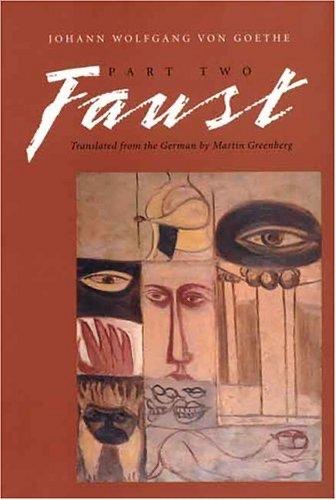
Cover of Faust, Part Two

Faust, Part Two

Johann Wolfgang von Goethe

4 ideas

  1. Philemon and Baucis destroyed for Faust's view

    The aged Faust, now a lord who has reclaimed land from the sea, is tormented by one old couple's cottage and chapel that he cannot own. He orders Mephistopheles to move them. Mephistopheles and his men burn the house instead, and the couple and their guest die. Faust curses the violence but had set it in motion, and his grand developmental project is shown resting on this small erased life.

  2. Homunculus: intellect seeking embodiment

    Wagner's Homunculus is pure mind created in a laboratory and sealed in a glass phial. He is brilliant and lucid, but incomplete because he lacks a body. He seeks to come into real existence by starting at the bottom of natural development in the sea, and his phial shatters against Galatea's shell in an erotic surge. The figure stands for the idea that artificial or disembodied intelligence cannot shortcut organic becoming; it has to dissolve into matter and evolve.

  3. Paper money as conjured, faith-based value

    At the bankrupt Emperor's court, Mephistopheles solves the fiscal crisis by issuing paper notes backed by buried treasure that has not been dug up. The notes produce instant prosperity and extravagant spending because people believe in them. The play presents money as a collective illusion that works like magic, creating value from confidence and deferred claims rather than from real wealth.

  4. Redemption through ceaseless striving, not virtue

    Faust's soul is saved despite his crimes, because the angels declare that whoever strives unceasingly can be redeemed. His rescue also requires grace from above, through love and the intercession of Gretchen and the 'Eternal Feminine' that draws upward. Salvation is judged by the unbroken direction of a life's effort rather than a moral ledger of its acts.

Save and mark ideas in the app