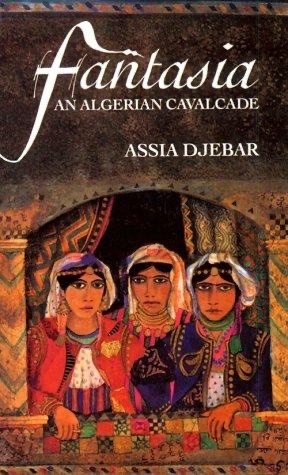
Cover of Fantasia: An Algerian Cavalcade

Fantasia: An Algerian Cavalcade

Assia Djebar

4 ideas

  1. Pélissier's report on the Dahra cave fumigation

    In June 1845, French Colonel Pélissier trapped more than a thousand men, women, and children of the Ouled Riah tribe in caves in the Dahra mountains. He lit fires at the entrances and suffocated them overnight, then wrote a detailed official report of the massacre, which caused a scandal in Paris. The perpetrator's archive becomes the palimpsest through which the dead can be recovered.

  2. The colonizer's language as tunic of Nessus

    Djebar calls French the 'tunic of Nessus', the poisoned garment from Greek myth. It is a gift from her father, who took her to French school, and it gives her freedom of movement that the women around her do not have. But it burns the skin of whoever wears it. Writing her life in the conqueror's tongue both liberates and unveils her: every autobiographical sentence in French exposes her body and family before an audience she did not choose, and cuts her off from the intimate language of her mother.

  3. Read the conqueror's letters for their desire

    The 1830 French officers' letters and memoirs describe Algiers as a woman to be looked at, besieged, and possessed. They record the city's resistance mainly as a spectacle that aroused the writer. If you read these documents for what excites their authors rather than for the facts they claim to report, the archive shows the conquest's logic of rape and possession.

  4. Women's spoken testimony supplies what archives cannot

    Their history survives only when they speak it aloud to a listener in their own language, as the peasant fighter Chérifa does. Djebar argues that turning these voices into written French is both a rescue and a betrayal. The writer must position herself as a transmitter of a collective oral memory, not as the author of an individual story.

Save and mark ideas in the app