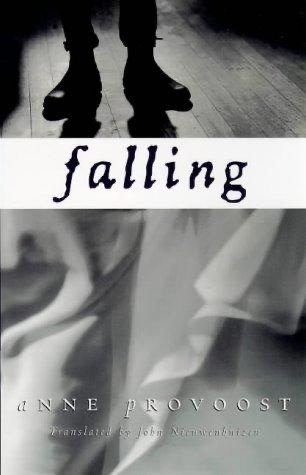
Cover of Falling

Falling

Anne Provoost

4 ideas

  1. Lucas's summer in his grandfather's village

    There he is befriended by Benoit, a charismatic young man who recasts the grandfather as a hero and pulls Lucas into a circle hostile to the village's immigrant residents. The summer ends in a violent incident for which Lucas carries part of the responsibility.

  2. Radicalization travels through belonging, not doctrine

    Ordinary boys are drawn into hate less by arguments than by the offer of friendship, attention and status from a confident peer. The ideology arrives later, attached to a social bond the recruit does not want to lose. By the time he recognizes the beliefs, rejecting them means rejecting the people who made him feel he mattered.

  3. Inherited guilt as an opening for recruiters

    A young person who carries an unresolved family stain, such as a grandparent's wartime collaboration, is open to anyone who reframes that past as honorable. Accepting the reframing relieves the shame and turns loyalty to family into loyalty to the ideology. Unexamined family history becomes a lever for recruitment in the present.

  4. Complicity as a series of small steps

    The slide into wrongdoing is best seen as many small accommodations: laughing along, staying silent, showing up, carrying something, not leaving. No single step feels like a moral choice, so there is never a moment when the person decides to become complicit. Looking at the increments rather than the outcome shows how people arrive at acts they would have refused if asked outright.

Save and mark ideas in the app