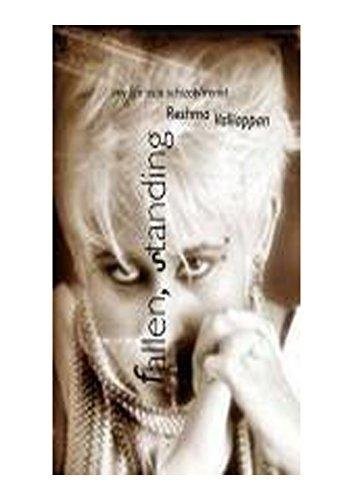
Cover of Fallen, Standing: My Life as a Schizophrenist

Fallen, Standing: My Life as a Schizophrenist

Reshma Valliappan

4 ideas

  1. Diagnosed at 22, choosing life off medication

    Reshma Valliappan, from Pune, was diagnosed with paranoid schizophrenia at 22 after years of hallucinations, paranoia, and escalating distress that family and doctors first read as rebellion or substance use. She then chose to stop medication and to manage her experiences through painting, writing, and a self-built understanding of her voices, a path also documented in the film 'A Drop of Sunshine.'

  2. Schizophrenist: practitioner, not patient

    Valliappan coins 'schizophrenist' on the model of 'pianist' or 'artist' to replace 'schizophrenic' or 'sufferer.' The suffix recasts the condition as something a person practices, crafts, and has skill in, rather than something that happens to a passive body. Renaming the identity moves authority over the experience from the clinician to the person living it.

  3. Recovery means living with voices, not eliminating them

    The book argues that recovery is defined by whether a person can live a meaningful, self-directed life, not by whether symptoms are suppressed. Medication that silences voices but also flattens emotion, creativity, and agency can count as a loss rather than a cure. On this view, whether to take medication is a trade-off the person must be allowed to weigh, not a compliance requirement.

  4. Madness as meaningful language worth translating

    Valliappan treats hallucinations and delusions as communications shaped by her personal history, fears, and experiences of harm, not as random neurological noise. Art becomes the tool for translating those experiences into a form she and others can examine. This lens changes the goal of care from silencing the experience to understanding what it is saying.

Save and mark ideas in the app