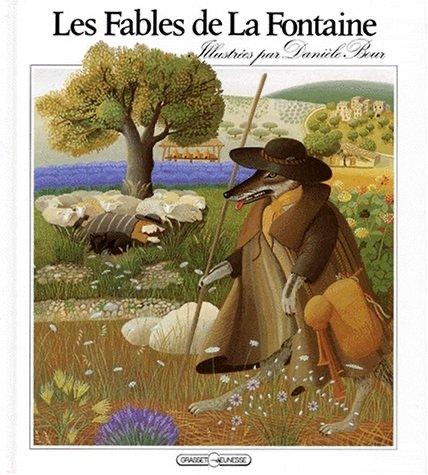
Cover of Fables

Fables

La Fontaine

5 ideas

  1. The Fox, the Crow, and the Cheese

    A crow perched in a tree holds a cheese; a fox below praises her plumage and says that if her voice matches her feathers she must be the phoenix of these woods. The crow opens her beak to sing and drops the cheese, and the fox takes it, remarking that every flatterer lives at the expense of whoever listens to him. The lesson is worth a cheese, and the crow swears, too late, never to be fooled again.

  2. The strongest party's reasoning always wins

    In 'The Wolf and the Lamb' the wolf offers a series of accusations, and the lamb refutes each one: it drinks downstream, it was not yet born, it has no brother. The wolf eats the lamb anyway. Power does not need to win the argument; justification is a formality that the strong perform after the verdict is already fixed.

  3. The Oak and the Reed in the Storm

    A proud oak pities the reed for bending at every breeze and offers it shelter. A violent storm then comes, and the reed bends and survives while the oak, which resists, is uprooted. Rigid strength that has always prevailed against moderate force is exactly what fails catastrophically against extreme force, while flexibility that looks like weakness preserves the self.

  4. Nearness to the powerful is itself dangerous

    In 'The Animals Sick of the Plague' the lion's court confesses its sins. The lion's killing of shepherds is excused through flattery, and the donkey, who admits to eating a mouthful of grass, is condemned as the culprit and killed. Guilt at court is assigned by rank rather than by deed: according to whether you are powerful or wretched, the judgments of the court will make you white or black.

  5. Animal masks let moralists name power safely

    Kings, courtiers and magistrates are recast as lions, foxes and wolves, so the fable can describe how absolute power really operates without accusing any particular person. The indirection gives deniability and also brings out the pattern, because stripped of titles and costume, human conduct shows its appetite and self-interest plainly.

Save and mark ideas in the app