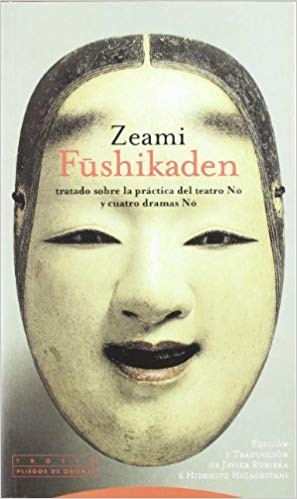
Cover of Fūshikaden

Fūshikaden

Zeami

3 ideas

  1. Temporary flower versus the true flower

    A young performer's charm (jibun no hana) comes from youth, novelty, and physical freshness, and it disappears as the body changes. Mistaking this temporary flower for real mastery is the main trap of early success. The true flower (makoto no hana) comes from understanding how the effect is produced, and it can outlast the decline of the body.

  2. Hidden technique is what creates the flower

    Zeami states that 'what is hidden is the flower': a performance moves an audience because it surprises them. Once spectators know the technique or expect the effect, it loses its power. So the performer must keep secret both the method and the fact that anything is being held back.

  3. Training calibrated to each life stage

    Training is divided by age. A child around seven should be allowed to perform freely without harsh correction. The adolescent should build fundamentals while the voice and body are unstable. The mid-thirties are the peak and the time to prove mastery, and after forty the performer should do less, relying on restraint and letting younger actors carry the showy roles. The aim at each stage is to match the demand to what the body and reputation can support at that moment, not to hold one standard across a whole career.

Save and mark ideas in the app