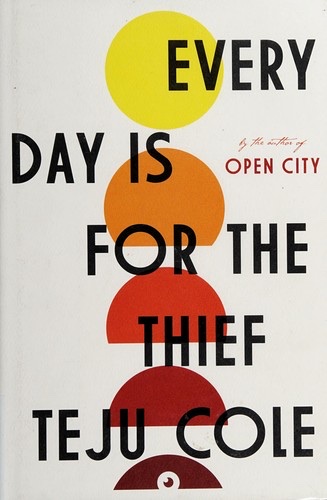
Cover of Every Day Is for the Thief

Every Day Is for the Thief

Teju Cole

4 ideas

  1. Bribery begins at the home consulate

    Before the narrator leaves New York, the Nigerian consulate requires an unofficial 'expedited processing' fee for a passport, with no receipt and a sign on the wall that officially forbids bribes. Corruption is shown as an embedded procedure, not a rogue act: the demand is routine, the official prohibition is decorative, and the citizen pays because the formal path has been made unworkable.

  2. Every day for thief, one for owner

    The Yoruba proverb says the thief gets away with many small thefts, but on one day the owner catches him and the reckoning is total. In the novel this takes the form of a boy accused of stealing in a Lagos market and burned alive by a crowd. Where institutions fail to punish theft steadily and in proportion, justice builds up and then arrives as sudden, disproportionate mob violence.

  3. Woman reading Ondaatje on a danfo

    On a crowded Lagos minibus the narrator sees a woman reading Michael Ondaatje. He is exhilarated and wants to reach her, but she gets off before he can speak. His outsized reaction to one reader shows how scarce visible literary life is in the city. It also shows how the returnee hunts for signs of a public culture that can sustain serious thought.

  4. The returnee's estranged double vision

    Someone who returns after long absence is neither native nor tourist. He knows the codes well enough to read what is happening, but he has lost the habituation that makes locals stop noticing. That position makes small bribes, gatekeeping and decay visible again. It also brings a guilty awareness that his judgments are the judgments of someone who left.

Save and mark ideas in the app