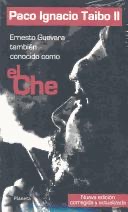
Cover of Ernesto Guevara, también conocido como el Che

Ernesto Guevara, también conocido como el Che

Paco Ignacio Taibo II

4 ideas

  1. Bolivian guerrilla's isolation and death, 1967

    Guevara entered Bolivia in November 1966 to start a continental guerrilla focus from Ñancahuazú. The Bolivian Communist Party under Mario Monje withdrew its support. Local peasants did not join, and the rearguard under Joaquín was annihilated at Vado del Yeso. Wounded and captured at the Quebrada del Yuro, he was executed in La Higuera on 9 October 1967 on orders from the Bolivian high command, with a CIA agent present.

  2. Che's diaries as self-correcting field record

    Taibo builds the biography around Guevara's compulsive diary-keeping, from the motorcycle journey through the Congo and Bolivian diaries. Guevara used these notes to audit his own errors and those of his comrades in near-real time. The written record shows a man who judged himself by the same brutal standard he applied to others, rather than the myth later built from the photograph.

  3. The foco theory tested against reality

    Guevara held that a small, mobile armed nucleus could create the conditions for revolution rather than wait for them. The Congo and Bolivia show the model failing without local political roots, peasant trust, and a supporting urban network, the conditions the Cuban case had quietly supplied.

  4. Moral example as a governing instrument

    As Cuba's minister of industry and head of the national bank, Guevara pushed moral over material incentives and did voluntary Sunday labor himself. His premise was that visible personal sacrifice by leaders could build a 'new man' faster than wage incentives. Taibo shows the method producing both fierce loyalty and economic inefficiency, and fracturing with Soviet-style planners.

Save and mark ideas in the app