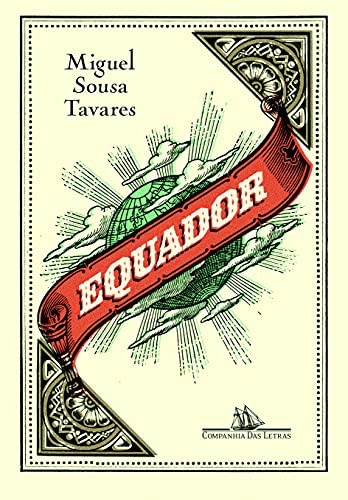
Cover of Equador

Equador

Miguel Sousa Tavares

4 ideas

  1. Lisbon dandy sent to hide slavery

    In 1905 King Carlos I asks Luís Bernardo Valença, a cultivated Lisbon socialite who has written in favour of free labour in the colonies, to become governor of São Tomé and Príncipe. His task is to convince the newly arrived British consul, David Jameson, that the cocoa plantations do not use slave labour, so that British chocolate buyers will not boycott Portuguese cocoa. On the island he finds that the labourers are in fact forced, and he is left caught between the Crown, the hostile planters, the consul, and his own conscience, which leads to his personal ruin.

  2. Contract labour as legalised slavery

    Workers (serviçais) were recruited in Angola under contracts that on paper were voluntary and time-limited. The legal document let the system claim to be free labour while it kept every feature of slavery except the name.

  3. Honest men recruited to launder lies

    A regime that needs to deny an abuse will pick a credible, reform-minded person to front the denial, because his reputation makes the lie believable. That person is then trapped. If he tries to reform the system, the entrenched interests that depend on it turn against him. If he conceals it, he destroys the integrity that made him useful in the first place.

  4. Humanitarian pressure as commercial rivalry

    British pressure over labour conditions on São Tomé is presented as both moral and self-interested: exposing Portuguese cocoa also benefits rival producers and buyers. Seeing human-rights campaigns this way, as a mix of real conscience and market competition, explains why the accused side can dismiss them as hypocrisy while the abuses they point to remain true.

Save and mark ideas in the app