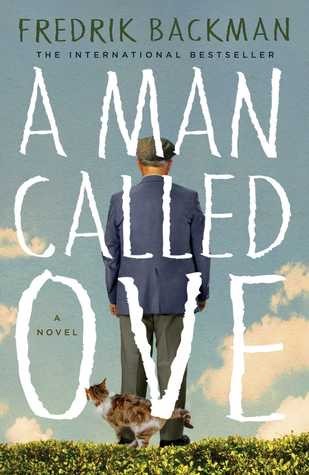
Cover of En man som heter Ove

En man som heter Ove

Fredrik Backman

4 ideas

  1. Ove's interrupted suicides on a Swedish estate

    Each attempt is derailed by a neighbour's practical need: pregnant Iranian newcomer Parvaneh wants a ladder or a lift to hospital, a stray cat needs shelter, a stranger falls onto train tracks, and his estranged friend Rune, now with dementia, faces forced removal by social services. By fixing, driving, teaching, and fighting on others' behalf, Ove is drawn back into the community and lives several more years before dying in his sleep of an enlarged heart.

  2. Being needed interrupts despair more than comfort

    Ove is not reached by sympathy or talk about his feelings, which he rejects. He is reached by concrete tasks only he can do competently: reversing a trailer, bleeding a radiator, teaching someone to drive. For a person whose self-worth rests on usefulness, a stream of small practical obligations rebuilds a reason to stay alive faster than emotional reassurance does.

  3. Principled rules versus faceless bureaucratic rules

    The novel separates Ove's personal rule-keeping (patrolling the estate, enforcing parking and recycling) from the institutional rules of the 'white shirts', the officials who deny his disabled wife accommodations and try to institutionalise Rune. Ove's rules are grounded in personal responsibility and fairness to people he knows. The officials' rules are applied from a distance by people who bear no consequences, and the book treats that distance, not rules themselves, as the source of cruelty.

  4. A partner as the source of colour

    Ove sees the world in black and white and experiences Sonja as 'all the colour he had'. She translated his rigidity into warmth for others and gave his principles a human object. Losing her removes more than companionship: it removes the lens through which his life had meaning, so grief shows up as a collapse of purpose rather than only as sadness.

Save and mark ideas in the app