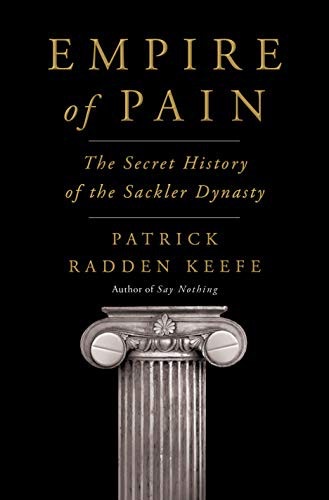
Cover of Empire of Pain

Empire of Pain

Patrick Radden Keefe

4 ideas

  1. Arthur Sackler's Valium marketing playbook

    Arthur Sackler pioneered modern pharmaceutical advertising by marketing Valium directly to physicians through medical journals, targeting ordinary anxiety and stress rather than serious psychiatric illness, and presenting advertising as if it were science. His model established that the doctor, not the patient, is the true customer of a prescription drug, so persuading prescribers expands the market. Purdue later applied the same template to OxyContin.

  2. Delayed-release framing neutralized perceived addiction risk

    Purdue marketed OxyContin with the claim that its slow-release coating meant fewer than 1% of patients would become addicted, a figure resting on thin evidence. The company then relabeled signs of addiction as 'pseudoaddiction' and treated them as evidence of undertreated pain, which justified higher doses. In this way the drug's danger was reframed as a reason to prescribe more of it.

  3. Philanthropy as reputation laundering

    The Sacklers put their name on museum wings, universities, and galleries while keeping it off the products that generated their wealth. Cultural prestige and the family's distance from Purdue's branding shielded them from public association with opioid deaths for decades. The lens shows that public generosity can work as a moral alibi that deflects scrutiny from how the money was made.

  4. Legal settlements insulate wealthy wrongdoers from accountability

    Purdue pleaded guilty to federal crimes in 2007 and again in 2020, yet no Sackler family member was criminally charged. The family withdrew billions of dollars from the company before it entered bankruptcy, then used the bankruptcy process to seek broad releases from future lawsuits. The book argues that corporate guilty pleas and bankruptcy law let the individuals who profited keep their fortunes while the institution absorbed the punishment.

Save and mark ideas in the app