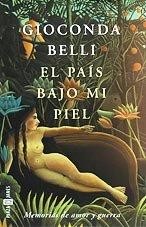
Cover of El país bajo mi piel

El país bajo mi piel

Gioconda Belli

4 ideas

  1. Bourgeois poet turned underground Sandinista courier

    In early-1970s Managua, Gioconda Belli was a married, upper-class young mother and a newly celebrated poet when she began working secretly for the Sandinista Front against the Somoza dictatorship. Her class position was her cover: a well-dressed society woman could carry messages, move people and transport materials without drawing suspicion. When the security forces closed in after the Front's December 1974 hostage-taking, she fled into exile in Mexico and Costa Rica and was tried and sentenced in absentia.

  2. Erotic freedom and political liberation are one project

    Belli argues that a woman's claim to her own body and desire is continuous with the demand for national liberation, not a private distraction from it. Her openly erotic poems scandalized the same conservative society the revolution opposed. The revolution's own machismo then limited how far women's liberation could go, even among committed comrades.

  3. Clandestinity as a divided self

    Underground militancy requires keeping two complete identities: the respectable public life that provides cover and the secret life where one's real commitments are. Keeping them apart consumes marriages and strains motherhood, because the people closest to you are the ones you must deceive or leave behind. The secrecy that protects the cause also isolates the militant emotionally.

  4. Victory hardens a movement into hierarchy

    When an insurgency takes power, the vertical discipline that kept it alive underground becomes the way it governs. Leaders then treat loyal internal criticism as betrayal. Belli, who served in the revolutionary government during the Contra war, found her voice mattered less after the victory than it had during the struggle. Her decision to leave shows how devotion to the cause and obedience to the party split apart.

Save and mark ideas in the app