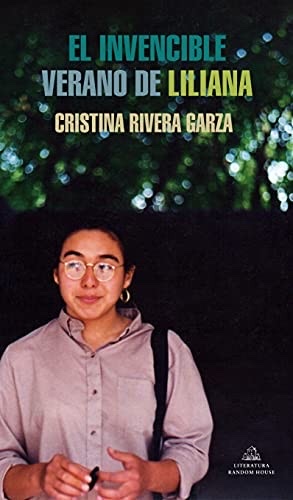
Cover of El invencible verano de Liliana

El invencible verano de Liliana

Cristina Rivera Garza

4 ideas

  1. Liliana Rivera Garza's unpunished 1990 murder

    On 16 July 1990, Liliana Rivera Garza, a 20-year-old architecture student at UAM Azcapotzalco, was suffocated in her Mexico City apartment by Ángel González Ramos, the high-school boyfriend she was trying to leave. He fled and was never caught.

  2. Missing vocabulary makes violence culturally invisible

    In 1990 Mexico had no working word for 'feminicidio', and killings like Liliana's were filed as 'crímenes pasionales'. That label turned a pattern of gendered control into a private romantic tragedy. Until a term exists that names the structure, victims' families cannot articulate what happened. The word 'femicide' did not exist for them, so the harm could not be recognized, grieved publicly, or prosecuted as what it was.

  3. The victim's own archive as testimony

    These sit beside a chorus of friends' voices. The victim's archive restores her as a thinking, desiring subject rather than a body in a police report. It also reveals in her own words the coercion she was already recognizing and resisting.

  4. Leaving as the moment of greatest danger

    Liliana's notes show her pulling away from a possessive partner and claiming her own future, and the killing came at that point of separation. Controlling violence escalates when the controlled person asserts autonomy. Behaviors that friends and family had read as intense love or jealousy were in fact warning signs, legible as such only in retrospect.

Save and mark ideas in the app