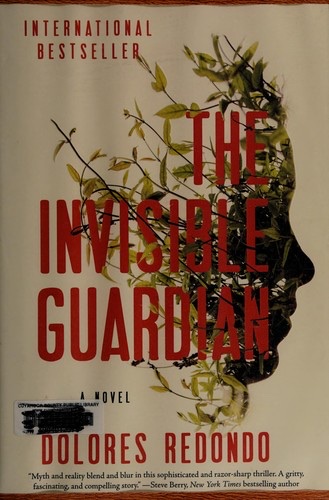
Cover of El guardián invisible

El guardián invisible

Dolores Redondo

4 ideas

  1. The Baztán river killings and pastry signature

    The press calls the killer the 'basajaun' after the valley's forest spirit. Inspector Amaia Salazar, whose family runs the town's pastry business, eventually traces the killings to her own brother-in-law Víctor, who was punishing girls he judged to be on the verge of sexual corruption.

  2. Native investigator: local insight, familial blind spot

    A detective who returns to her home community can read it as outsiders cannot: the local foods, dialects, kin networks and folklore. The same belonging also makes her the least able to suspect those closest to her. Her family ties shape both her access to evidence and her willingness to see it, so the insider must investigate herself as well as the suspects.

  3. Signature as the killer's moral verdict

    In these murders the staging is not needed to kill. The posed hands, the exposed body and the pastry are a signature, a message about how the killer sees the victim. Here the ritual acts out a purification fantasy about female adolescence, casting the girls as sacrificial offerings. Reading that verdict, rather than the method of killing, is what narrows the suspect pool.

  4. Unprocessed childhood trauma distorts present perception

    That buried violence returns as nightmares and flashes of dread while she works the case. The novel argues that trauma kept out of consciousness does not stay in the past. It drives present fears and blind spots until it is faced directly, and her career built on control is partly a defense against that memory.

Save and mark ideas in the app