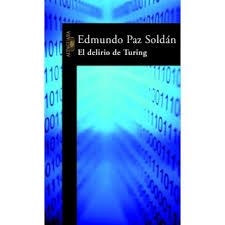
Cover of El delirio de Turing

El delirio de Turing

Edmundo Paz Soldán

3 ideas

  1. The cryptanalyst who decoded his country's victims

    Miguel Sáenz, nicknamed 'Turing,' is an aging code-breaker in the Black Chamber, the intelligence service of Río Fugitivo, Bolivia. During General Montenegro's 1970s dictatorship, he treated intercepted messages as intellectual puzzles. He later learns that his decryptions led to the arrest, torture and death of dissidents, and he is being sidelined by younger digital specialists just as Montenegro returns to power as an elected president facing a revolt against a privatized utility company.

  2. Repressive apparatus survives democratic transitions

    When a dictatorship gives way to electoral democracy, the intelligence services, their archives, their staff and their surveillance habits usually stay intact and simply change masters. Once-authoritarian figures can return through the ballot box and find the same machinery ready for use against new opponents. A democratic transition can therefore change who holds power without changing how power watches and punishes.

  3. Hacktivism as extension of street protest

    Young hackers in Kandinsky's 'Resistance' group attack the websites and systems of the government and the multinational utility that raised rates after privatization. They carry popular anti-globalization protest into cyberspace. Their weapon is the same one the state uses against them, control over information, which turns surveillance and cryptography into a contested battlefield rather than a state monopoly.

Save and mark ideas in the app