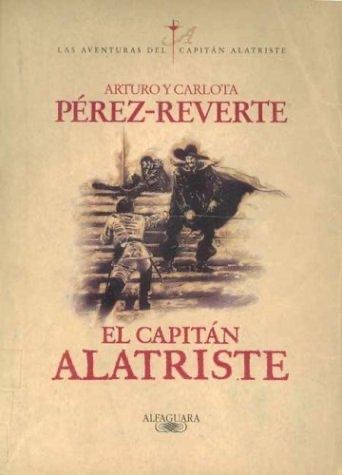
Cover of El capitán Alatriste

El capitán Alatriste

Arturo Pérez-Reverte

4 ideas

  1. The ambush of the two Englishmen

    At the moment of the attack Alatriste spares them because of their bearing and courage and turns on Malatesta; they turn out to be Charles, Prince of Wales, and the Duke of Buckingham, in Madrid in 1623 to seek the Infanta's hand. His act of instinctive mercy wins the gratitude of the English and the protection of the Count-Duke of Olivares, but it also makes Alatriste enemies at court and gives Malatesta a lasting grudge against him.

  2. Personal code in a corrupt world

    Alatriste has no faith left in king, church, or cause, yet he keeps a private and unwritten set of rules: keep your word, stay loyal to comrades, and refuse to kill in some ways no matter what you are paid. The code survives because it is kept for its own sake, not for any reward. It is exactly this code, and not any law or obligation, that makes him defy powerful employers at the risk of his life.

  3. Imperial decline seen from the street

    The novel shows 1620s Spain through the veterans, bravos, informers, and actors of Madrid's taverns rather than through its throne room. From that vantage the empire's official greatness sits beside unpaid soldiers, bought justice, and an Inquisition that uses faith as a political weapon. The gap between how the institutions present themselves and how ordinary survivors experience them becomes the real subject.

  4. The retrospective witness narrator

    The story is narrated by Íñigo Balboa years afterward, looking back on events he lived through as Alatriste's thirteen-year-old page. This double vantage allows youthful awe to sit beside adult disillusion, and lets the narrator reveal what came later, such as deaths and defeats, turning adventure into elegy. The hero is thereby filtered through the loyalty and memory of the one who survived to tell of him.

Save and mark ideas in the app