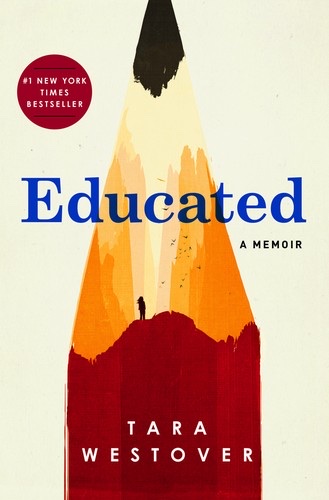
Cover of Educated

Educated

Tara Westover

4 ideas

  1. Asking what the Holocaust was

    Tara Westover arrived at Brigham Young University at 17 with no formal schooling. In an early lecture she saw the word 'Holocaust', raised her hand and asked what it meant. The room went silent, and the professor treated it as a provocation.

  2. Borrowed frameworks reveal your own family

    Westover's education worked less by adding facts than by handing her other people's interpretive frames, such as historians' accounts of Ruby Ridge and a psychology lecture on bipolar disorder. Once applied, these frames reinterpreted her father's apocalyptic predictions and her brother's rages as patterns with names. Learning becomes transformative when it gives you a vantage point outside the world that formed you, from which that world looks like one version among many.

  3. Contested memory under a dominant narrative

    In families that deny abuse, the group's collective account can overwrite an individual's memory of what happened. Westover's journals show her recording her brother Shawn's violence and then softening or doubting her own entries. She rebuilt her confidence by cross-checking accounts with siblings and footnoting where their memories differed. Trusting yourself in this position does not require perfect recall, only a refusal to let the family's version be the sole authority.

  4. Education means becoming someone who cannot return

    Westover argues that real education changes the self that perceives, so the educated person can no longer believe what their earlier self believed. Her family made continued belonging depend on her accepting their account of Shawn's violence. Choosing her own judgment therefore cost her estrangement from her parents and several siblings. Where loyalty requires shared denial, the price of intellectual independence is paid in relationships, not just in effort.

Save and mark ideas in the app