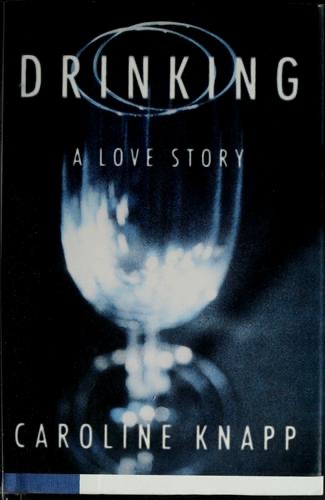
Cover of Drinking: A Love Story

Drinking: A Love Story

Caroline Knapp

4 ideas

  1. Addiction as a romantic love affair

    Alcohol dependence is read as a relationship with a lover rather than a habit or disease. It follows the same arc: early euphoria, secrecy, making excuses for the partner, rearranging life around access, and being unable to imagine existing without it. Quitting is therefore not just stopping a behavior but a breakup that has to be grieved, which explains why sobriety feels like loss even when it is plainly good.

  2. High-functioning drinking as its own alibi

    For the high-functioning drinker, outward competence serves as proof that nothing is wrong. A prestigious job, deadlines met, and a respectable family background become evidence against the problem. Denial works by comparison: the drinker keeps a list of things she hasn't done yet (drinking in the morning, losing a job), and each line moves as it is crossed. Meanwhile a private second life of hidden bottles and managed hangovers runs alongside the public one.

  3. Drinking works, which is the problem

    People keep drinking because alcohol really solves something. It dissolves social anxiety, numbs painful feelings, supplies courage, and turns inner chaos into ease. The addiction is therefore a solution to the problem of unbearable feeling, not an irrational mistake.

  4. Caroline Knapp's twenty years of drinking

    She drank heavily and secretly for about twenty years, from her teens into her mid-thirties, alongside a period of anorexia, while outwardly thriving. Her drinking escalated after both parents died within a short span in the early 1990s. After a frightening drunken episode that endangered two young children in her care, she entered rehab in 1994 and stayed sober through AA.

Save and mark ideas in the app