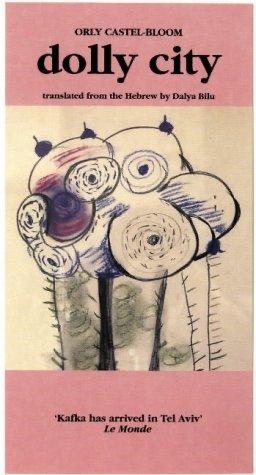
Cover of Dolly City

Dolly City

Orly Castel-Bloom

4 ideas

  1. Doctor-mother who operates on her foundling

    Dolly, a deranged doctor living alone in a chaotic, violent city, finds an abandoned baby in a bag and adopts him, naming him Ben. Terrified he may be sick, she repeatedly cuts him open to check his organs, removing healthy tissue and treating imagined diseases, and at one point carves a map of the Land of Israel into his back. The child survives as a body shaped by her fear rather than by any illness he actually has.

  2. Protective anxiety becomes the primary threat

    When fear of harm is unlimited and has access to intervention tools, the protector inflicts more damage than the dangers she guards against. Each check produces new uncertainty, and each new uncertainty justifies another, more invasive check, so vigilance escalates without end. Care stops responding to the child's real state and serves the caregiver's need to relieve her own dread.

  3. National identity inscribed on individual bodies

    The map carved into the child's back makes literal how a collective ideology marks each citizen, especially sons raised for a state under constant threat. Identity is shown not as something chosen or absorbed but as something cut into the flesh by the people who love you, in the name of protecting you. Reading patriotism as a bodily wound reveals the violence built into rituals of belonging.

  4. Normalized violence as urban atmosphere

    The city is saturated with random killing, cruelty, and absurd catastrophe, all narrated in a flat, matter-of-fact tone without shock or moral commentary. By refusing to register violence as exceptional, the narration shows how people in chronically violent environments lose the ability to feel alarm, and their private behavior begins to reproduce the brutality around them. Dolly's domestic horrors seem continuous with the street rather than a departure from it.

Save and mark ideas in the app