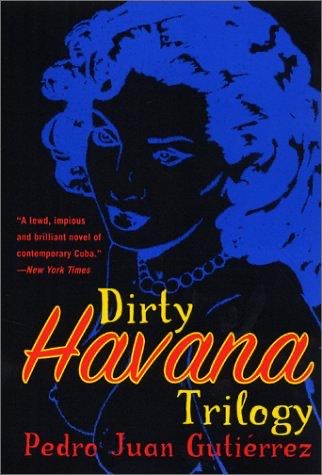
Cover of Dirty Havana Trilogy

Dirty Havana Trilogy

Pedro Juan Gutiérrez

4 ideas

  1. Journalist becomes rooftop hustler in Havana

    Pedro Juan, a former journalist, loses his job and marriage during Cuba's 1990s Special Period and ends up living in a rooftop room in Centro Habana. He gets by selling food and small goods, doing odd jobs, scavenging, and trading sex, while the buildings around him decay and balconies fall. It is a first-person case of a middle-class professional slipping into a subsistence economy once state wages stop being enough to buy food.

  2. Scarcity turns the body into currency

    When wages are worthless and ration books run short, sex becomes one of the few assets people own outright. They can trade it for dollars, food, shelter or a way out of the country. In the book, sex works as barter, as a painkiller and as proof of being alive, not as romance.

  3. Bodily detail over political explanation

    The narrator mostly avoids political preaching and dwells on what the body goes through: hunger, smells, sweat, excrement, desire, alongside occasional reflections on memory, writing and freedom. This emphasis on physical detail sidesteps both official revolutionary optimism and neat outside critiques, and its rejection by Cuban publishers suggests the blunt realism was not seen as neutral at home.

  4. Present-tense survival replaces future planning

    Under prolonged collapse, time shrinks to the next meal, the next dollar, the next encounter, and long-term plans stop making sense. The narrator adopts a stoic, almost nihilistic attitude of living day by day, which protects him from despair but also rules out any investment in the future. Chronic scarcity changes how people think about time, not just what they own.

Save and mark ideas in the app